
Signs It May Be Time for a Tub to Shower Conversion
If you notice safety issues or difficulty entering your tub, local contractors can help with a tub to shower conversion to improve accessibility and safety.
Many property owners start to notice certain signs that suggest a tub to shower conversion could be a practical update. Issues like difficulty stepping over a high tub wall, persistent mold or mildew buildup, or a tub that no longer meets daily needs are common indicators that it might be time to consider a more accessible and functional shower space. For homeowners in the area, exploring these signs can lead to improvements that enhance safety, convenience, and overall home value. Local contractors specializing in tub to shower conversions are equipped to assess these cues and provide solutions tailored to individual preferences and needs.
Understanding when to transition from a bathtub to a shower can make a significant difference in daily routines and long-term home maintenance. If a tub is showing signs of age or damage, or if accessibility has become a concern, consulting with experienced service providers can help determine the best course of action. These local experts offer the skills needed to transform existing bathrooms into more practical and modern shower spaces, making the home safer and more comfortable for all users. Keep reading to learn more about the common signs that it might be time for a tub to shower conversion and how local professionals can assist with the process.
- Tub to Shower Conversion - when a bathtub becomes difficult to access due to mobility issues, local contractors can replace it with a more accessible shower.
- Bathroom Renovation Needs - outdated or damaged tubs may prompt homeowners to seek a conversion, with service providers offering modern, streamlined shower options.
- Limited Space Solutions - small bathrooms may benefit from a tub to shower conversion to maximize space, with local pros customizing the layout to fit the area.
- Water Damage or Mold - signs of water issues around a tub can lead homeowners to opt for a conversion, where local contractors can upgrade to a safer, more durable shower.
- Changing Lifestyle Preferences - as preferences shift toward easier-to-maintain bathing areas, local service providers can facilitate a conversion to meet new needs.
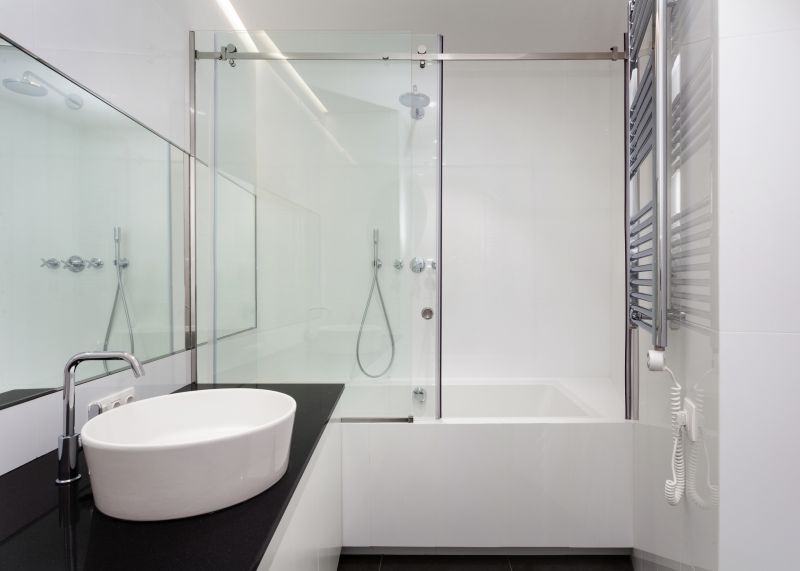
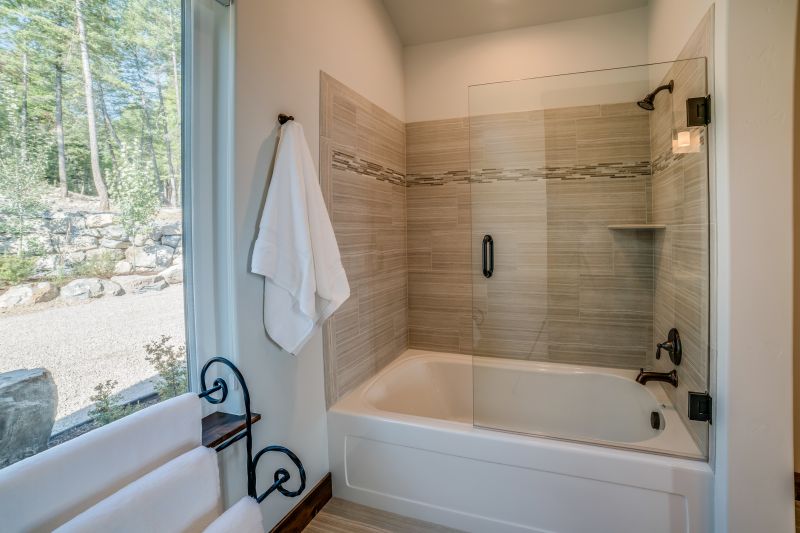
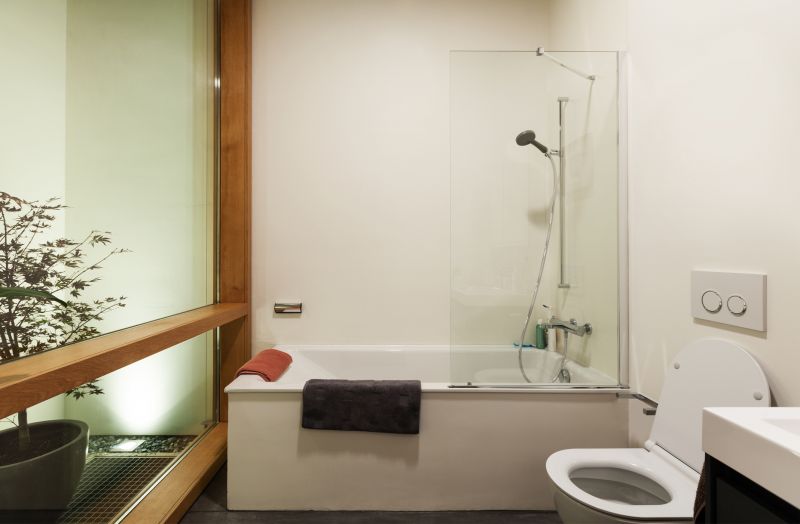
When homeowners search for signs it may be time for a tub to shower conversion, they are typically looking for practical indicators that their current bathtub setup no longer suits their needs or lifestyle. Many people associate this topic with aging in place, mobility challenges, or simply a desire to update an outdated bathroom. Commonly, individuals notice that their bathtub is difficult to access, especially if it has high sides or a narrow opening, making it hard to get in and out safely. Others may be considering a conversion because the tub’s design no longer matches their aesthetic preferences or because it’s become stained, chipped, or otherwise damaged, prompting thoughts of renovation.
This topic often relates to problems such as limited accessibility, safety concerns, or the desire for a more functional bathroom layout. For example, a homeowner with mobility issues might find stepping over a high tub dangerous, especially if they have balance concerns or use assistive devices. Similarly, those with physical disabilities or recovering from injury may see a shower as a more practical bathing option. Additionally, plans for a bathroom upgrade or remodeling project frequently include a tub to shower conversion as a way to improve convenience, maximize space, or modernize the overall look. Local service providers who specialize in this work can help evaluate the existing setup and recommend solutions tailored to the property’s specific needs.
The types of properties that typically come up in discussions about tub to shower conversions include single-family homes, especially those with older bathrooms that haven’t been updated in years. Apartments and condominiums with limited space may also consider conversions to optimize their layout. In particular, homes with aging residents or family members with mobility challenges often prioritize accessible bathroom features. Larger homes undergoing renovation projects may opt for a more contemporary shower enclosure to enhance the bathroom’s style and functionality. Local contractors experienced in tub to shower conversions understand the unique requirements of different property types and can advise on the best options to meet safety, accessibility, and aesthetic goals.
Understanding when it’s time for a tub to shower conversion involves recognizing specific signs that indicate the current setup is no longer practical or safe. Common indicators include difficulty stepping over the tub edge, frequent slips or falls, or visible damage such as cracks or mold that cannot be easily repaired. Additionally, if the bathroom feels cramped or outdated, or if there’s a desire to improve accessibility for aging family members, these are strong reasons to consider a conversion. Local pros can assess the space, discuss available options, and help plan a conversion that aligns with the homeowner’s needs. Connecting with experienced service providers ensures the project addresses safety concerns, enhances usability, and updates the bathroom’s appearance effectively.
Bathroom remodeling projects - bathroom renovations often involve planning for accessible and modern fixtures, similar to converting a tub to a shower to improve functionality and style.
Shower enclosure installations - installing new shower enclosures requires precise measurements and waterproofing skills, which are also essential in tub to shower conversions.
Tile and wall surround upgrades - updating bathroom tile work is common in shower conversions, requiring similar planning and surface preparation as tub to shower replacements.
Accessibility modifications - projects focused on making bathrooms more accessible often involve removing tubs and installing walk-in showers, sharing tools and design considerations.
Plumbing fixture replacements - replacing or upgrading plumbing fixtures is a key part of both shower conversions and related bathroom upgrade projects.
Bathroom fixture and hardware updates - updating showerheads, grab bars, and fixtures aligns with the work needed during a tub to shower conversion, requiring similar planning and installation skills.
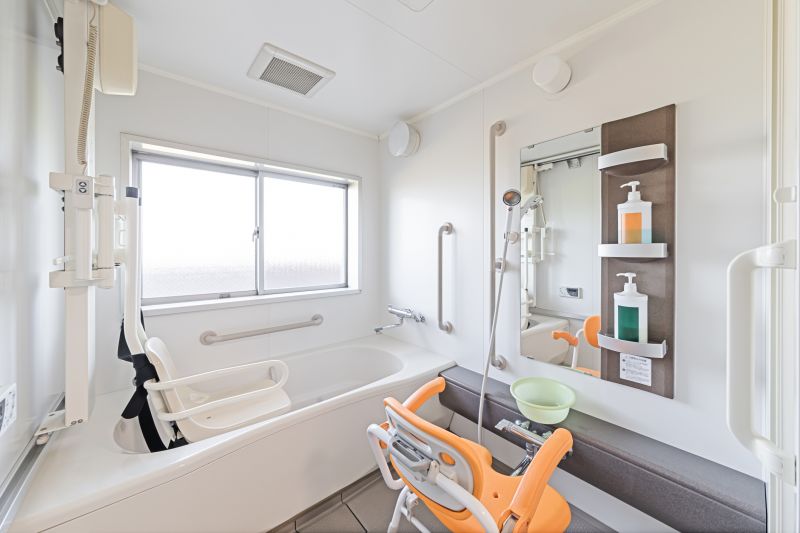
When comparing service providers for a tub to shower conversion, it is helpful to consider their experience with similar projects. Homeowners should inquire about the number of conversions they have completed and whether they have worked with the specific type of bathroom setup. An experienced contractor will have a better understanding of potential challenges and solutions, which can lead to a smoother installation process. Checking references or reviews can provide insight into how well a contractor has handled past projects, ensuring that they have a track record of delivering quality work and satisfying clients.
Clear and detailed written expectations are essential when evaluating local contractors. Pros who provide comprehensive estimates and project descriptions demonstrate professionalism and transparency. This clarity helps homeowners understand what work will be done, the materials involved, and the scope of the project. It also reduces the chances of misunderstandings or surprises during the process. When comparing service providers, it’s wise to ask how they communicate project details and whether they offer written agreements that outline all key aspects of the work.
Good communication is a cornerstone of a successful bathroom conversion. Homeowners should look for contractors who are responsive, willing to answer questions, and able to explain the process in understandable terms. A contractor who maintains open lines of communication can help ensure that the project stays on track and that any concerns are addressed promptly. Additionally, reputable service providers often have a history of working collaboratively with homeowners, which can make the entire experience more straightforward and less stressful.
Property owners often search for signs it may be time for a tub to shower conversion when they are planning practical projects around their homes and businesses. Local pros provide Tub to Shower Conversion services for everyday jobs and straightforward project options.
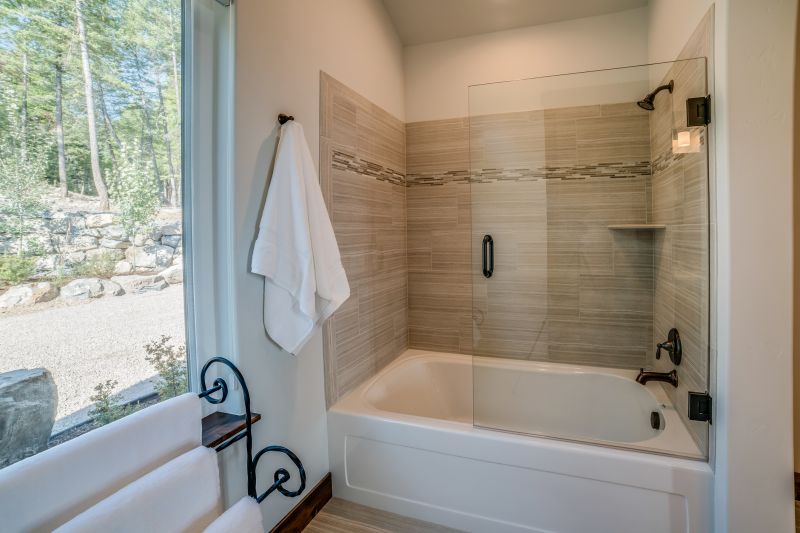
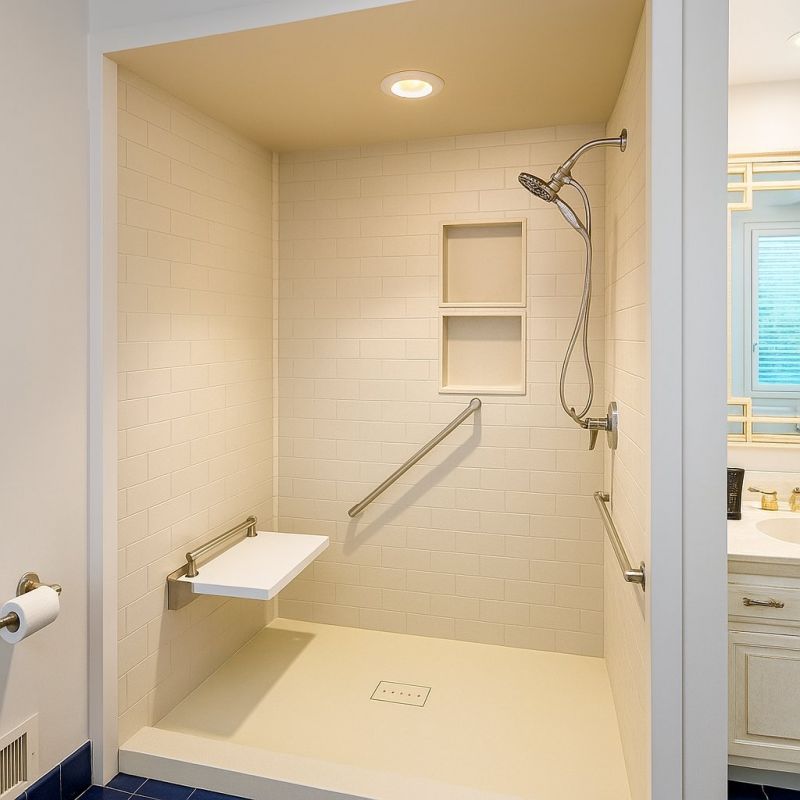
Many property owners in the area notice certain signs that indicate it might be time to consider a tub to shower conversion. For example, if a bathtub becomes increasingly difficult to step into or out of, it can pose safety concerns, especially for those with mobility challenges. Additionally, homeowners often seek a more accessible and convenient bathing space as they age or if they have family members with limited mobility. Simple issues like mold or mildew buildup, cracks, or outdated tile can also prompt residents to explore local contractor options for updating their bathrooms with a modern shower.
Other common reasons include the desire to maximize bathroom space or improve functionality. A tub that no longer serves a practical purpose might take up valuable room that could be better utilized with a walk-in shower. Homeowners who want a cleaner, more contemporary appearance often look into local service providers who specialize in tub to shower conversions. These professionals can help transform a dated bathroom into a safer, more accessible, and more aesthetically pleasing space, making it easier for property owners to enjoy their bathrooms daily.
What are common signs it may be time for a tub to shower conversion? When a tub becomes difficult to access, shows signs of damage, or no longer fits the needs of the household, local contractors can help evaluate if a shower installation is a suitable upgrade.
How can I tell if my bathtub is outdated or no longer functional? Visible cracks, mold, or corrosion, along with issues like difficulty filling or draining, can indicate it’s time to consider a conversion with the help of local service providers.
Are there safety concerns that suggest a tub to shower conversion might be necessary? Slippery surfaces, high sides, or difficulty stepping over the tub edge are safety issues that local contractors can address by installing a more accessible shower setup.
What household changes might signal the need for a shower instead of a tub? If family members have mobility challenges or if the household prefers a more functional bathing space, local pros can assist with converting the existing tub to a shower.
Can damage or wear in a bathtub indicate it’s time for a conversion? Yes, extensive wear, leaks, or structural damage are signs that a professional can evaluate to determine if a tub to shower conversion is the best solution.
Limited accessibility or mobility issues - If stepping into a tub becomes difficult, local contractors can help convert it into a walk-in shower that offers easier access.
Leaking or damaged tubs - Signs of water damage or persistent leaks may indicate the need for a tub to shower conversion to prevent further issues.
Outdated or cluttered bathroom space - Replacing a tub with a shower can optimize bathroom layout and create a more functional environment.
Desire for modern bathroom updates - Upgrading from a tub to a shower can refresh the space, with local service providers handling the installation.
If you are thinking about signs it may be time for a tub to shower conversion for a property, this guide is meant to help you understand this topic, the typical project types, and how different options might fit your plans.
When you are ready, you can use the quote form on this page to share a few details about your project. From there, local pros can review the basics and follow up with options that match what you have in mind.